
If you’re venturing into self-publishing, understanding ISBNs (or International Standard Book Number) is a crucial step. These unique identifiers help your book reach bookstores, libraries, and online platforms, but they come with costs, rules, and limitations that can sometimes be confusing. Let’s break down what you need to know to make informed decisions about ISBNs for your book.
What is an ISBN?
An ISBN is a 13-digit code that uniquely identifies each edition or format of your book—whether print, eBook, or audiobook. It helps streamline distribution, sales tracking, and cataloging. For example, my Corinth Project Trilogy starter book ISBN (or ASIN because it has been allocated by Amazon, free of charge,) is B07X6HMQST
To see a video explainer about ISBN’s click here to be taken to my YouTube video
How Are ISBNs Used?
- Identification: Sets your book apart from all the others with a unique ID.
- Distribution: Facilitates ordering and inventory management across retailers and libraries.
- Marketing: Boosts your book’s professionalism.
Key Limitations
- Edits and Formats: If you make any — substantial changes in the published edition such as a new cover, content, format—means you need a new ISBN.
- No Expiry: Once assigned, your ISBN remains valid for that edition.
- Different countries have different rules: Rules, costs, and agencies vary worldwide.
- One ISBN per Format: Each edition, whether it’s a paperback, hardback, ebook or audiobook, requires its own unique ISBN.
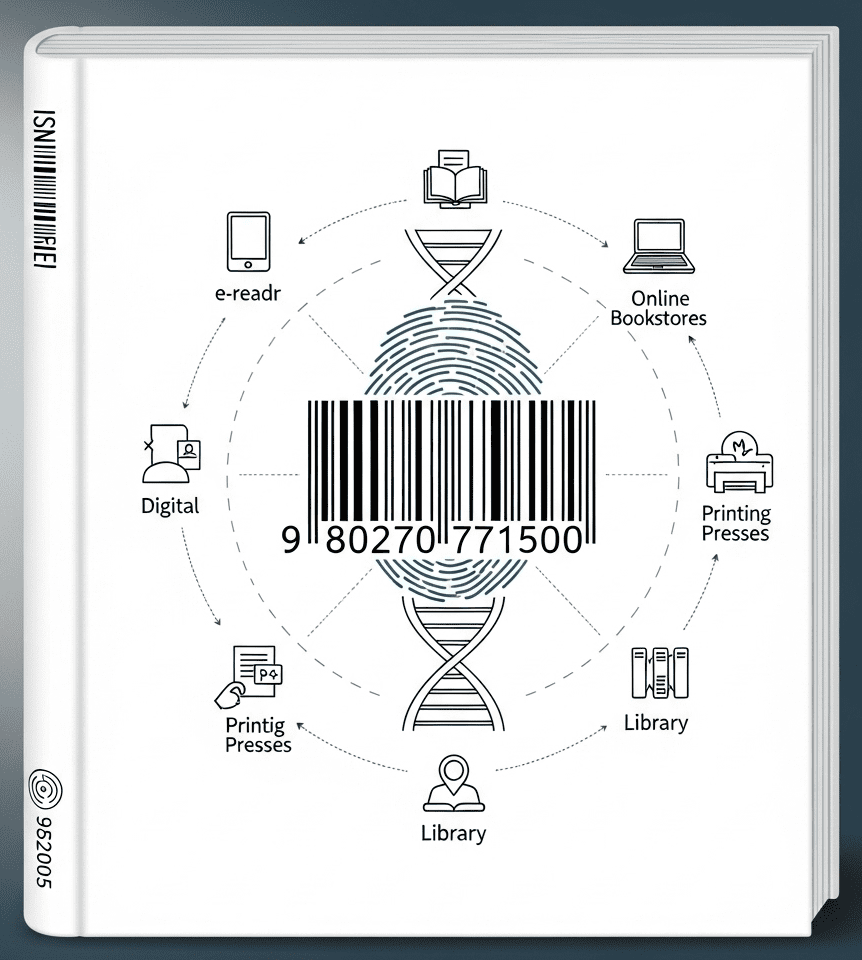
Using ISBNs
Problems from Non Compliance with ISBN Use
If you don’t give a new edition of a book a new ISBN, several issues can arise, though it’s not typically a legal penalty but more of practical and distribution-related problems:
Practical Problems:
- Confusion for Booksellers and Libraries: They rely on ISBNs to distinguish between editions. Using the same ISBN for different editions can cause inventory mistakes, mislabeling, or confusion about which version is which.
- Distribution Issues: Retailers and online platforms use ISBNs to track editions. If you reuse an ISBN, it might lead to incorrect listings, pricing, or stock management.
- Metadata Conflicts: Your book’s details (like cover, content, or format) may not match what’s associated with the ISBN, causing issues with searchability and cataloging.
Legal or Penalty Aspects:
- No Law or Penalties: There are no specific laws or penalties for reusing an ISBN on a different edition. ISBNs are primarily for identification and cataloging, not legal ownership or intellectual property.
- Intellectual Property: However, misusing ISBNs (like intentionally mislabeling editions to deceive or commit fraud) might have legal repercussions under consumer protection or misrepresentation laws, but this is rare.
Best Practice:
- It’s standard industry practice to register a new ISBN for each new edition or significant format change to ensure clear identification and smooth distribution.
Summary: Not assigning a new ISBN for a new edition won’t usually lead to legal penalties but can cause practical headaches and confusion. It’s recommended to assign a new ISBN to each edition to avoid issues.
Costs and Where to Buy
In the UK, Nielsen ISBN Agency manages ISBNs. Expect to pay around £85-£100 per ISBN, with discounts for bulk purchases (10 or more). You can buy from Nielsen’s website here. Think of it as an investment in your book’s professionalism and long-term distribution.
Can You Use Cheaper or Free ISBNs?
Yes, but with caveats:
- Amazon KDP and other platforms offer free ISBNs if you publish solely through their platform. However, these ISBNs tie your book to their imprint, and you can’t use your own publisher name.
- Limitations include reduced control over your branding, and potential distribution options outside of that platform. Metadata too is linked to an ISBN and is the basic info about your book that helps people find, organise, and understand it.
For example, it includes things like the book’s title, author name, description, keywords, genre, publisher, and ISBN. It’s like the label or the catalogue card for your book that helps it get noticed and categorised correctly, on the right shelf in a physical library. - Additional Costs: If you plan to publish elsewhere or want your own branding, investing in your own ISBNs is advisable.
And what about other countries?
- Some countries have government or private agencies offering free or low-cost ISBNs, but these are often country-specific, and their use may limit your distribution options.
- Tip: For wider reach, especially if you want global distribution, purchasing your own ISBN from a reputable agency like Nielsen in your country or an international provider is recommended.
ISBNs Self-Publishing Success Tips
- Plan: Assign new ISBNs for each edition, format, or significant update.
- Control your branding: Owning your ISBNs gives your publisher name and metadata control.
- Don’t skimp on quality: A professional ISBN adds credibility and aids discoverability.
- Think about long-term distribution plans: Will you mainly use Amazon, or do you want broader reach? Your choice of ISBN affects that.
So that’s it! No mystery here. I wish I had access to this information years ago. Hope you find it helpful? Jump over to my Substack account to follow me in the future. It’s quick, easy and free.


