
Sickness Absence Without the Drama
Let’s face it—sickness absence can be a right pain. Not just for the person curled up under a blanket with a box of tissues, but for the manager trying to keep the wheels turning without sounding like a robot or a villain.
Whether it’s a short-term bug, a long-term health condition, or the kind of stress that sneaks in quietly and overstays its welcome, managing absence well is part art, part admin, and part emotional intelligence.
This guide is here to help you navigate the UK’s sickness absence landscape with a bit more confidence—and a lot less jargon.
The Legal Lowdown
Before you start Googling “Statutory Sick Pay panic,” take a breath. The basics are clear:
- GOV.UK – Statutory Sick Pay (SSP): Your go-to for who qualifies, how much to pay, and when.
- Acas: Friendly, impartial advice on managing absence fairly. Think of them as your HR agony aunt.
- EHRC: If disability or long-term health conditions are involved, this is your Equality Act compass.
Mental Health Matters
Stress, anxiety, burnout—these aren’t fringe issues anymore. They’re front and centre in most workplaces. Supporting mental health isn’t just kind, it’s smart business.
- Mind: Practical, compassionate advice for employers and employees.
- HSE: Covers work-related stress and other common causes of absence.
- CIPD: Research-backed wellbeing strategies that won’t make your eyes glaze over.
Managing Long-Term Absence Without Losing the Plot
It’s tempting to bury your head in spreadsheets, but long-term absence needs a human touch. Keep communication open, be clear about expectations, and don’t be afraid to ask for help.
- BITC & People Management: For policy ideas, case studies, and wellbeing inspiration.
- Bradford Factor Video: A controversial tool, but useful for spotting patterns. Watch the vide
💪 Specific Conditions, Specific Support
When someone’s dealing with a long-term health condition, the last thing they need is a scavenger hunt for support. And as an employer, you want to signpost help quickly, compassionately, and without sending people down a rabbit hole of outdated links.
Instead of listing every condition-specific charity under the sun, here are two trusted directories that do the heavy lifting for you:
- Hub of Hope – The UK’s largest mental health and wellbeing support directory. It includes thousands of local and national services, peer support groups, and condition-specific resources. You can filter by location, type of support, and more.
- Mobilise: Condition-Specific Support – A clear, well-organised list of charities and support organisations for everything from arthritis and cancer to dementia and diabetes.
- NHS website (Health A – Z) Health information you can trust on many illnesses and conditions
Bookmark these, share them with your team, and keep them handy for return-to-work conversations. They’re practical, inclusive, and refreshingly easy to use. Sometimes, absence is about more than flu or fatigue. Chronic conditions and serious illnesses need tailored support.
 Final Thoughts
Managing sickness absence isn’t about ticking boxes—it’s about building a workplace where people feel safe, supported, and seen.
Further Information
Don’t forget the importance of the return to work interview after the employee recovers and wants to return to work. See this video for pointers on how to do this and why:
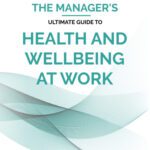
Want more no-nonsense advice on workplace wellbeing? Sign up for my newsletter or grab my Manager’s Ultimate Guide to Health and Wellbeing at Work—available on Amazon.


