
Reflection 2: The Demon Infographic
Statistics Gone Wrong
Here in reflection 2, is the second real-life story that I will be using for my revalidation process. It’s when I constructed an infographic and omitted to check the finished article. Again, I have used my own personal adapted Gibbs Model of Reflection as the basis of the exercise. If you want the template of the model, it’s all contained in a workbook called ‘Nurses Reflection Diary’ available on Amazon. See link below.
Stage 1 – Description (facts)
There was a lot of interest in stress at work, so figured an infographic about stress would go down well. I drafted 10 points relevant to the subject and sent it off to a graphic artist to put into infographic format through an inline service. You can get some great bargains there and it was cheap and quicker for me than trying to do it myself.
I published it on my website after checking and sending it back for corrections three times – only to receive an irate message from a reader to say my figures were wrong and that I was irresponsible. Immediately I checked the piece and instead of 1 million in one of the stats quoted, it said 1 billion. I immediately took the piece down.
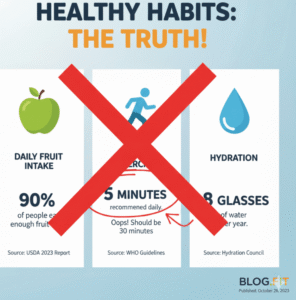
Infographic error
I also tried to contact the reader to say “thank you” and explain what had happened. They never returned my call.
Stage 2 – Description (feelings)
I was really fed up that I had published something inaccurate; something I should’ve checked more. I felt gutted, but also glad someone had found it and let me know. I didn’t want anyone to think I was irresponsible with facts – because I am not. Also, I never had chance to apologise and tell the person who complained that I had taken the offending infographic down, so those feelings of shame stay with me.
Also, I was angry with the people who had done the infographic.
Stage 3 – Evaluation
I guess it really didn’t matter too much for one error in 10 facts to be wrong. Someone’s life was not in danger because of the error. Nevertheless, it might harm my reputation and people might not trust me. Also, although I took the infographic down as soon as I could, it would still exist somewhere on the internet. This is especially true if people downloaded it. You cannot get rid of electronic information entirely like you can with a piece of paper.
Stage 4 – Analysis
My greatest crime in this episode is that I believed I did not act professionally. Also, working on your own makes you more responsible for what happens, you have no team to tell you, it also makes you a bit paranoid about what people do and say about you. There is no getting away from the mistake.
Stage 5 – Conclusions
I should have been more concerned with the facts on the infographic, rather than the layout. If I had followed that advice, I would have spotted the one letter making the infographic null and void. Saying that though, I think I overreacted to the situation. Devastation for a week followed. The professional graphic artist should pay attention to detail but so should I.
Also, I need to be a bit more gentle on myself. Statistically, I am going to make mistakes. In the grand scheme of things, it’s better it was a fact and not a practice.
Stage 6 – Now What? (Action)
I know that publishing information is hazardous. It can improve your profile and help you get work. However, it can also have the opposite effect and ruin your reputation. In future, I will check and recheck everything. I will make sure of accuracy, especially if others have done work on your behalf.
On a more personal note, I need to prioritise how serious mistakes are. Not every mistake is the end of the world. This reflective practice has helped me put this incident into, what I now consider, the right perspective. After all, it was just a typo at the end of the day. If it had been a script for drugs or a legal document, I know I would have been far more stringent. Also, I know I am impatient when trying to get things done and this was a wake up call for that particular trait. Although reflection 2 seems a silly incident to reflect on, it has had an enormous impact on every aspect of my life.
Linked to NMC Code of Practice number: Reflection 2 can be linked to section 20.10 which states:
20.10. Use all forms of spoken, written and digital communication (including social media and networking sites) responsibly…..
Nurses Reflection Diary
More Information
- What does reflection bring to nursing? Read my blog about that – Beyond Better Care: Reflective Practice as your Nursing Compass
- See my adapted Gibbs Model of Reflection and my first reflection example – a drug error.
- For my third reflection example – click Walking the Dogs
- Take a look at my workbook where you can record your reflections using the adapted Gibbs Model (it’s on every page for reference). Let me know if I should add anything more?
Subscribe to my Substack account to read more about nursing and workplaces. And to receive 10 more free examples of reflections in different nurse situations such as working in A & E and bullying click here.


