
Introduction
It’s 2025 and the world of work is changing at an unprecedented pace, and with it, the role of occupational health (OH) is being fundamentally reshaped.
For too long, OH has been viewed as a reactive service—a last resort for managing sickness absence or a box-ticking exercise for health and safety compliance. However, a seismic shift is underway. Forward-thinking businesses and leading OH professionals are now feeling the wind of change and helping them push the more proactive, strategic, and integrated approach, we’ve always been advocating.
This new vision positions occupational health not as a cost center, but as a critical driver of business performance, productivity, and resilience. The research articles that follow offer a vital roadmap, shedding light on the key trends and innovative practices that are defining the future of our industry. They reveal why now, more than ever, a fresh perspective on workplace health is essential for survival and success.
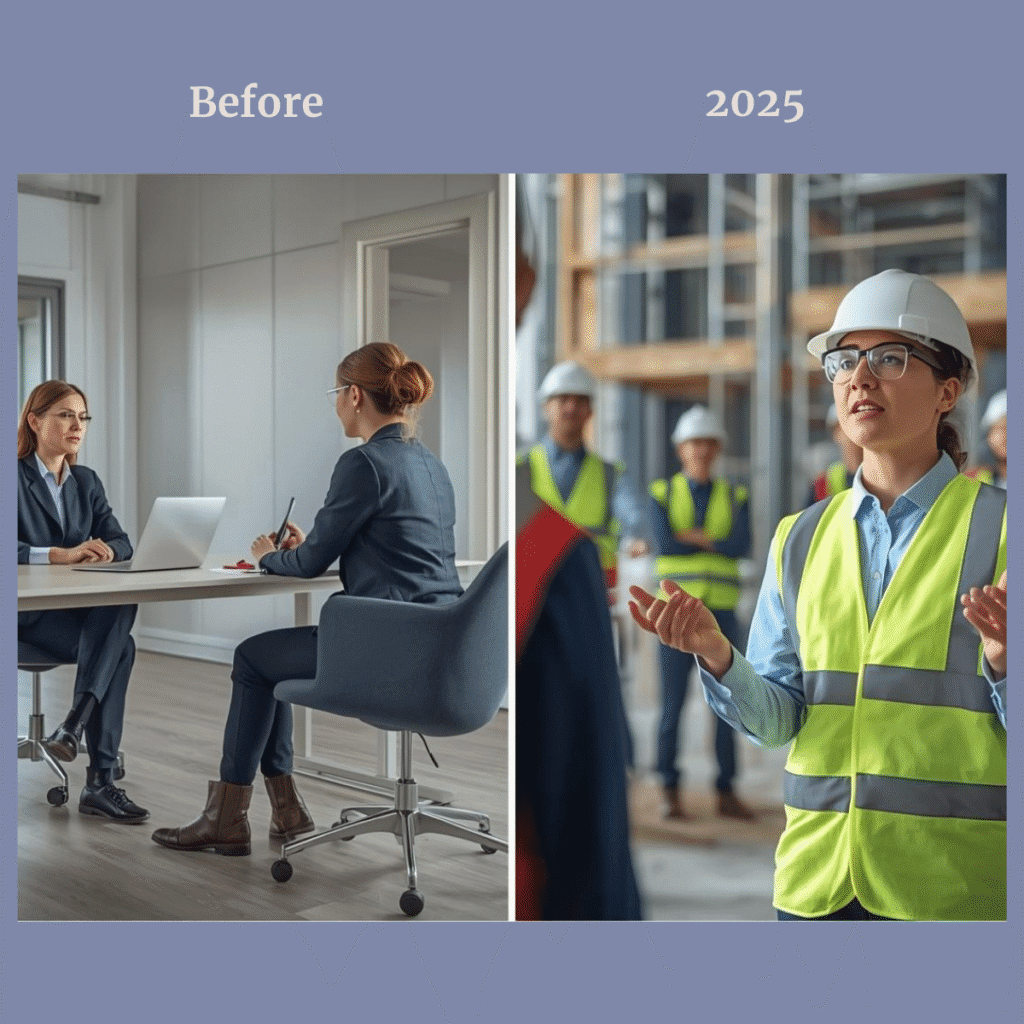
OH in 2025
Here are some key documents and resources:
-
- Keep Britain Working Review: Discovery – GOV.UK (Published March 2025): This is a recent and relevant document. It highlights the scale of economic inactivity because of ill-health and makes recommendations for employer and government action; focus being on prevention, retention, and rehabilitation.
- HSE Health and Safety at Work Summary Statistics for Great Britain 2023 (Published November/December 2024 for 2022/23 data): This provides the core statistics on work-related ill health, injury, and costs. Essential for understanding the scale of the problem. Look for the “Summary statistics for Great Britain 2023” report.
- “The CIPD Health and Wellbeing at Work Report (Latest Annual Report): The CIPD’s annual report is a crucial resource, providing insights into trends in employee health, wellbeing, and absence from HR professionals. The most recent comprehensive report covers 2023/24 data.
- Search for “CIPD Health and Wellbeing at Work report [year]” on the CIPD website. For example, a 2024 report with 2023/24 data is likely the latest.
- Example insight article from a third party summary: Gives a good overview of the key findings from the 2024 report.
- UK Government Initiatives in Occupational Health 2024 (OccHealthNet – April 2024): This article summarises the government’s current efforts, including the Occupational Health Taskforce, innovation fund, and discussions about national standards and tax incentives.
- NHS health and wellbeing framework (NHS Employers – April 2024 update): While specific to the NHS, this framework sets standards for staff health and wellbeing and reflects broader best practices and priorities that are often mirrored or aspirational for other sectors. It highlights strategic overview, elements of wellbeing, and diagnostic tools.
- “Back to the Future for Occupational Health?” (iOH – The Association of Occupational Health and Wellbeing Professionals – April 2025): This is a thought-provoking article discussing the future direction of OH, including technology, data, and the need for a preventative approach.
- UK Health, Safety and Legislative changes for 2025: (Jane Coombs article on this website): Updates readers on changes to legislation in early 2025 and what is in the pipeling going forward. Important for health, safety professionals and businesses in general
- Occupational Health(UK) 24 Mintel report (paywall) for projections of future investment purposes (if you considering entering the OH Market)
Conclusion
As the research links in this article make clear, the future of occupational health is dynamic and full of opportunity. The outdated model of reactive, siloed care is giving way to a new era of proactive, preventative, and technologically-driven solutions. For business leaders, this means moving beyond a focus on sickness absence and embracing a strategic partnership with OH that enhances productivity and employee engagement.
For OH professionals, it means stepping into a more central, influential role as a key advisor on business strategy. The evidence is compelling: investing in a modern, holistic approach to workplace health is no longer a “nice to have,” but a fundamental component of building a thriving, adaptable, and future-proof organisation.


