
When I started out as a health professional, emailing health reports to clients and patients was standard practice. Then came password protection, a cumbersome way of digitally protecting documents. No more. In today’s digital age, health professionals face unique challenges in ensuring the confidentiality of their patients’ medical records. With the increasing reliance on technology, it’s crucial to understand the legal and ethical obligations to safeguard sensitive information. Worried? Read on…
The Risks of Using Personal Devices
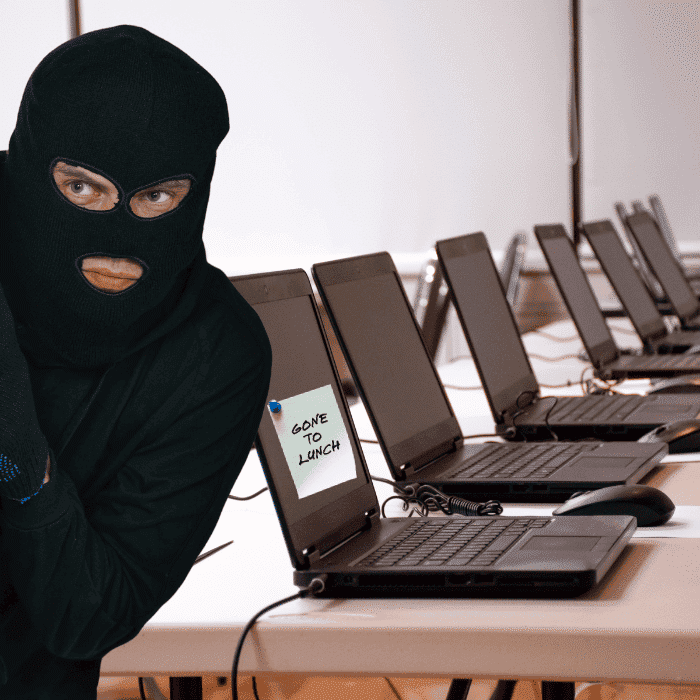
While using personal devices like laptops and smartphones for work can be convenient, it also poses significant risks to patient confidentiality. If a device is lost or stolen, sensitive information might fall into the wrong hands.
Confidentiality
Best Practices for Protecting Patient Data
-
Secure Communication Channels:
- Use encrypted email: Encryption programmes scramble messages into a secret code using a special key. Only the intended recipient has the key to unlock the code and read your message, keeping it safe from anyone who might intercept it.
- Use secure messaging apps: Consider using HIPAA-compliant messaging apps (see legal below for information) designed for healthcare professionals.
- Avoid public Wi-Fi: Don’t use public Wi-Fi networks.
-
Data Storage and Backup:
- Cloud storage with encryption: Use cloud storage services that offer robust encryption and security features.
- Regular backups: Implement regular backup procedures to limit the risk of data loss.
- Secure physical storage: Store physical copies (paper) patient records in a secure, locked location.
-
Device Security:
- Strong passwords: Use strong, unique passwords for all devices and accounts.
- Regular software updates: Keep operating systems and software up-to-date with the latest security patches.
- Encryption: Encrypt sensitive data on devices to protect it in case of loss or theft.
-
Data Minimisation:
- Collect only necessary data: Only collect and process the minimum amount of patient data required.
- Secure data destruction: Implement secure procedures for disposing of sensitive documents and electronic data.
-
Employee Training:
- Regular training: Provide regular training to employees on data protection regulations and security best practices.
- Data protection policies: Develop and enforce clear data protection policies within your organization.
-
Choosing a Compliant Messaging service
- Encryption: All messages encrypted for confidentiality and prevent unauthorised access.
- Authentication: Users must be authenticated with strong security measures like passwords and multi-factor authentication such as biological or face recognition.
- Authorisation: Only allowed personnel can access patient data.
- Data Integrity: The integrity of messages maintained to prevent tampering or alteration.
- Audit Trails: Detailed logs track message activity for compliance and security purposes.
- Data Destruction: Messages securely deleted after a specified period or when no longer needed.
The Role of Health Programmes and Single Sign-On
Health programmes often implement robust security measures, such as single sign-on (SSO) and multi-factor authentication, to protect patient data. SSO allows users to access multiple applications with a single set of credentials, reducing the risk of unauthorized access.
The Legal Landscape for Emailing Health Reports
In the UK, the Data Protection Act 2018 (DPA) and the General Data Protection Regulation (GDPR) govern the handling of personal data, including medical records. These regulations impose strict requirements on data controllers, such as healthcare providers, to implement security measures to protect patient information.
The USA uses HIPAA (Health Insurance Portability and Accountability Act) compliant messaging refers to communication methods that meet the specific requirements of the Health Insurance Portability and Accountability Act (HIPAA) regulations. These regulations protect the privacy and security of patient health information (PHI) and great example of all round protectio. Whilst not applicable to the UK or European Union, they are a great template to follow.
Conclusion
Confidentiality and ethics for health professionals takes up so much of your time and may keep you awake at night.
By following these best practices and staying informed about the latest security threats, self-employed health professionals can effectively protect patient confidentiality in the digital age.
Additional Resources
- Information Commissioner’s Office (ICO): The ICO provides guidance on data protection and security.
- General Medical Council (GMC): The GMC offers guidance on confidentiality and data protection for healthcare professionals.
- British Medical Association (BMA): The BMA provides advice on a range of ethical and legal issues, including data protection.
- For more information on the HIPPAA Act from the USA read the Wikipedia article
- World Health Organisation guidance on patient confidentiality
For more information regarding data protection issues and other health issues, jump over to my Substack account to follow me in the future. It’s easy, quick and free.


